
Renewed Conflict Over Key Strait Disrupts Global Oil Flow
The United States and Iran are engaged in renewed conflict primarily over the Strait of Hormuz, a critical global oil transit route. The current war, initiated by Iranian actions in strait and subsequent U.S. airstrikes, has led to casualties on…

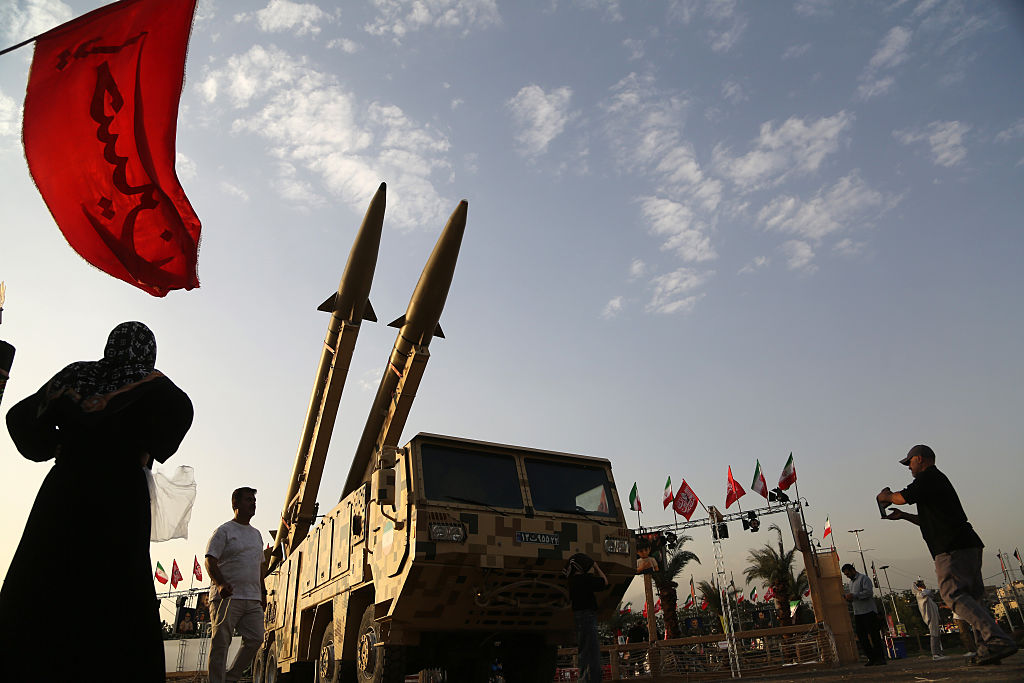
 Miami Fort Lauderdale, FL, July 30, 2026 —
Renewed conflict between the United States and Iran is escalating, centered on the critical global oil transit route of the Strait of Hormuz. The current hostilities, which began with actions by Iran within the strait, have prompted retaliatory airstrikes by the U.S., leading to casualties on both sides.
The escalating tensions have significantly disrupted maritime traffic through the Strait of Hormuz, a vital chokepoint for global oil supplies. This disruption has, in turn, contributed to a surge in oil prices on the international market.
The conflict’s scope has widened to encompass the Strait of Bab al-Mandab, located off the coast of Yemen. Actions by Houthi forces in this region have further strained regional energy systems, adding another layer of instability to global energy markets.
The specific number of casualties on either side has not been provided. Details regarding the precise timeline of events initiating the current phase of conflict or the specific nature of the Iranian actions and U.S. airstrikes were not detailed in the provided summary.
The ongoing instability in these key maritime passages poses significant challenges to global energy security and international trade. The long-term implications for oil prices and regional stability remain a subject of concern.
Story summarized from the original created by Hamidreza Azizi on time.com, see more information here.
Media gallery
