When Does Adolescent Need Residential Mental Health Care? Largo Provider
Key TakeawaysFlorida ranks among the worst states in the country for youth mental health access, meaning most

Press Release Disclaimer: This is a press release distributed through the XPR Media network. It has not been independently verified by our newsroom.
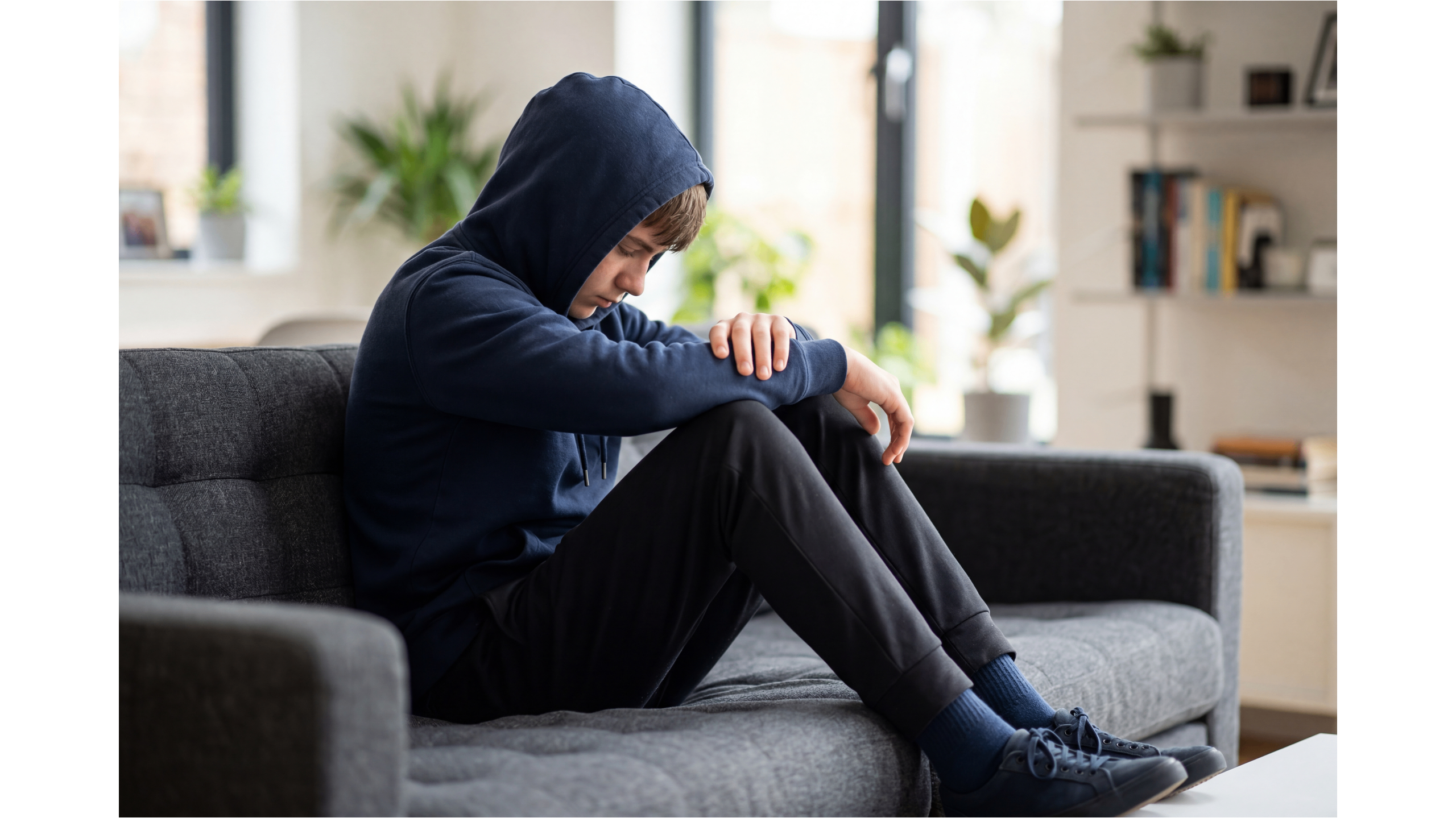

Key Takeaways
- Florida ranks among the worst states in the country for youth mental health access, meaning most struggling teens never receive care.
- Six clear warning signs – including self-harm, social withdrawal, and a breakdown in daily functioning – can signal that a teen needs more than weekly therapy.
- Residential treatment is appropriate when outpatient, IOP, and PHP levels of care have not produced improvement, or when safety is an immediate concern.
- Evidence-based therapies like CBT and DBT, combined with family involvement, are proven to produce measurable symptom reductions in adolescents.
- Braveminds Academy in Largo offers free assessments for adolescent boys ages 10-17 and works with most major insurance providers to help families navigate coverage.
Deciding whether a teenager needs residential mental health care is one of the hardest calls a parent can face. The stakes feel enormous, the options are confusing, and the signs are rarely black and white. This guide breaks down exactly what to look for, when outpatient care is no longer sufficient, and what residential treatment actually involves – so parents can make that decision with confidence.
Florida Ranks Near the Bottom for Youth Mental Health Treatment – Most Teens Go Untreated
Florida’s mental health system is failing its youngest residents. According to Mental Health America’s 2024 report, Florida ranks #45 out of 51 for overall youth mental health, measuring both the prevalence of mental illness and access to care among young people ages 12 to 17. Separately, the state ranks #39 for untreated youth depression – with 61.8% of Florida teens with depression receiving no treatment at all. The national average sits at 60.3%.
These numbers matter because untreated adolescent mental illness does not plateau – it compounds. Anxiety and depression left unaddressed during the teenage years frequently escalate into more severe disorders, academic failure, social isolation, and crisis events. For parents in the Tampa Bay area, Braveminds Academy operates as a licensed residential treatment center in Largo, specifically for adolescent boys who have not found adequate support through standard outpatient care.
6 Signs Your Teen May Need Residential Treatment
Most parents do not consider residential care as a first step – and that is appropriate. Certain patterns, however, indicate that weekly therapy appointments are no longer sufficient.
Safety Red Flags That Cannot Wait
Some warning signs demand immediate escalation. These include:
- Suicidal ideation or suicide attempts – any expression of wanting to die or active planning
- Self-harm behaviors such as cutting, burning, or hitting, especially when recurring
- Inability to stay safe at home – when a teen cannot maintain basic safety even with close parental supervision
- Severe substance use alongside other mental health symptoms
When any of these are present, a clinical evaluation should happen within hours, not days.
When Daily Life Breaks Down
Beyond immediate safety, residential care may be warranted when a teen’s functioning has deteriorated across multiple areas:
- Persistent, severe mood swings that do not respond to medication or outpatient therapy
- Complete withdrawal from friends, family, and previously enjoyed activities
- Sharp academic decline – failing classes, school refusal, or inability to concentrate
- Inability to manage everyday tasks like hygiene, sleep, or basic communication
One or two of these signs in isolation may not require residential care. A pattern across all areas – especially when standard treatment has not helped – is a different situation entirely.
When Outpatient Care Is No Longer Enough
After Outpatient, IOP, and PHP Have Not Produced Results
Mental health care follows a step-up model. Most teens start with weekly outpatient therapy. If that does not produce improvement, the next level is an Intensive Outpatient Program (IOP), where teens attend sessions several times a week. Above that is a Partial Hospitalization Program (PHP), which provides structured programming during the day without overnight stays.
When a teen has worked through these levels – or when their condition deteriorates too quickly for a step-up approach – residential treatment becomes the clinically appropriate option. It is the right level of care for a specific level of need, not a punishment or a measure of last resort.
Conditions That Require 24/7 Structure
Certain diagnoses are particularly difficult to stabilize without round-the-clock support. These include severe depression, generalized anxiety disorder, OCD, PTSD and trauma-related disorders, eating disorders, and co-occurring conditions where two or more diagnoses interact. The consistent environment, structured daily schedule, and immediate access to clinical support are what make residential care uniquely effective for these presentations.
What Residential Treatment Actually Looks Like
A Structured, Home-Like Environment
Residential programs are intentionally designed to feel less clinical than a hospital. Teens follow a consistent daily schedule that includes morning routines, academic classes, individual therapy, group therapy, supervised recreation, and evening reflection time. Consistent structure is itself therapeutic – it helps teens rebuild the daily habits and routines that mental illness has eroded.
Programs typically run four to six weeks, though duration is adjusted based on clinical progress. Teens receive 24/7 supervision throughout, with immediate access to clinical staff at any hour.
The Multidisciplinary Care Team
Effective residential programs do not rely on a single therapist. Care teams typically include psychiatrists for medication management and psychiatric oversight, licensed therapists, counselors, nurses, and educators coordinating academic continuity. Each teen receives an individualized treatment plan developed from an initial assessment, reviewed and updated regularly as progress is tracked.
Evidence-Based Therapies Used in Residential Programs
CBT, DBT, and Trauma-Focused Approaches
Cognitive Behavioral Therapy (CBT) is the most widely researched intervention for adolescent anxiety and depression. It helps teens identify distorted thought patterns and replace them with healthier ones. Dialectical Behavior Therapy (DBT) adds skills in emotional regulation, distress tolerance, and interpersonal effectiveness – particularly valuable for teens who self-harm or struggle with intense emotional responses. For trauma histories, approaches like EMDR (Eye Movement Desensitization and Reprocessing) are used to process past experiences that continue to drive present-day symptoms. Group therapy and art therapy give teens additional channels for building coping skills and self-awareness.
Family Therapy and Parent Involvement
Family involvement is a core component of successful residential treatment. Regular family therapy sessions, offered in-person or virtually, focus on communication, rebuilding trust, and preparing for the teen’s return home. Parents also receive coaching resources and ongoing updates from the clinical team. Research consistently shows that teens whose families participate in treatment have stronger long-term outcomes and lower rates of relapse after discharge.
Real Outcomes: What the Data Shows
Outcomes from residential adolescent treatment programs are well-documented. Published outcome data from Muir Wood Teen Treatment indicates that after four weeks of residential care, depression symptoms dropped from an average of 49% to 16%, anxiety fell from 46% to 18%, and trauma symptoms decreased from 45% to 18%. Across the broader research base, approximately 50-60% of adolescents show significant improvement in mental health symptoms after completing a residential program, with higher success rates among those who engage in aftercare services following discharge.
How to Pay for Residential Mental Health Care
Insurance, In-Network, and Single-Case Agreements
Cost is a real barrier, and it should not prevent a teen from receiving appropriate care. Most residential programs work directly with major insurance providers to verify coverage and clarify out-of-pocket costs before admission. In-network placements typically carry lower deductibles and copays. When a program is out-of-network, single-case agreements – where the insurer agrees to cover an out-of-network facility at in-network rates for a specific case – are sometimes negotiable with the right advocacy.
Additional Financing Options
For families facing gaps in insurance coverage, several financing paths exist:
- Educational or personal loans structured around treatment timelines
- 529 college savings plan funds, which may be applicable depending on the program’s educational component
- Home equity loans or lines of credit
- Post-adoption assistance programs for eligible families
Most programs have dedicated admissions staff who walk families through insurance verification and available financial options – the process does not have to be navigated alone.
Braveminds Academy in Largo Offers Free Assessments for Adolescent Boys Ages 10-17
Braveminds Academy is a residential treatment center in Largo, Florida, licensed by the Florida Agency for Health Care Administration. The program specializes in adolescent boys ages 10-17, using evidence-based therapies including CBT, DBT, and trauma-focused interventions within a structured, home-like environment. The team provides 24/7 admissions support and works with most major insurance companies to verify coverage and maximize benefits. Free clinical assessments are available to help families determine whether residential care is the appropriate level of support for their son.
Families who are unsure whether their teen’s situation warrants residential care can use that assessment as a starting point – not a commitment, just clarity. To request a free assessment or speak with an admissions specialist, visit Braveminds Academy or call (888) 680-1807.
Braveminds Academy
info@bravemindsacademy.com
+1-727-591-3400
405 7th Ave SW
Largo
FL
33770
United States